

Zur Entspannung und für das Wohlbefinden reicht eine ein- bis zweimalige Anwendung täglich aus. Eine häufigere Anwendung kann die körperliche Belastung erhöhen und das Gerät verschleißen.
3. WassertemperaturregelungDie empfohlene Wassertemperatur beträgt 37–40 °C. Längeres Einweichen bei über 40 °C kann gesundheitsschädlich sein. Verwenden Sie einen Thermostat, um eine stabile Wassertemperatur zu gewährleisten.4. Lassen Sie das Wasser nach Gebrauch sofort ab oder lassen Sie es zirkulieren
Durch sofortiges Ablassen des Wassers nach Gebrauch oder Aktivieren der Umwälz- und Filterfunktion bleibt das Wasser sauber, die Lebensdauer des Geräts wird verlängert und das Bakterienwachstum verringert.
Wie benutzt man eine Spa-Whirlpool-Badewanne sicher?
Durch die sichere Verwendung von Whirlpool-Badewannen können Risiken verringert und ihre Wirksamkeit maximiert werden.
1. Befolgen Sie die Anweisungen des Herstellers
Das Design von Whirlpools variiert je nach Marke. Um die Sicherheit zu gewährleisten, ist es wichtig, die Anweisungen genau zu befolgen.
2. Sicherheitsvorrichtungen installieren
Hierzu zählen ein Auslaufschutz, ein Thermostat und ein Trockengehschutz, die das Unfallrisiko verringern können.
3. Regelmäßige Reinigung und Wartung
Reinigen Sie die Rohre, Düsen und Filter regelmäßig, um eine gesunde Wasserqualität zu gewährleisten. Überprüfen Sie auch die Heizung und die Pumpe, um Fehlfunktionen zu vermeiden.
4. Vermeiden Sie die unbeaufsichtigte Verwendung durch Kinder und ältere Menschen
Diese Personen reagieren empfindlicher auf Temperatur und Ausrutschen, daher ist eine Aufsicht erforderlich, um eine sichere Verwendung zu gewährleisten.
Wie benutzt man eine Whirlpool-Badewanne richtig?
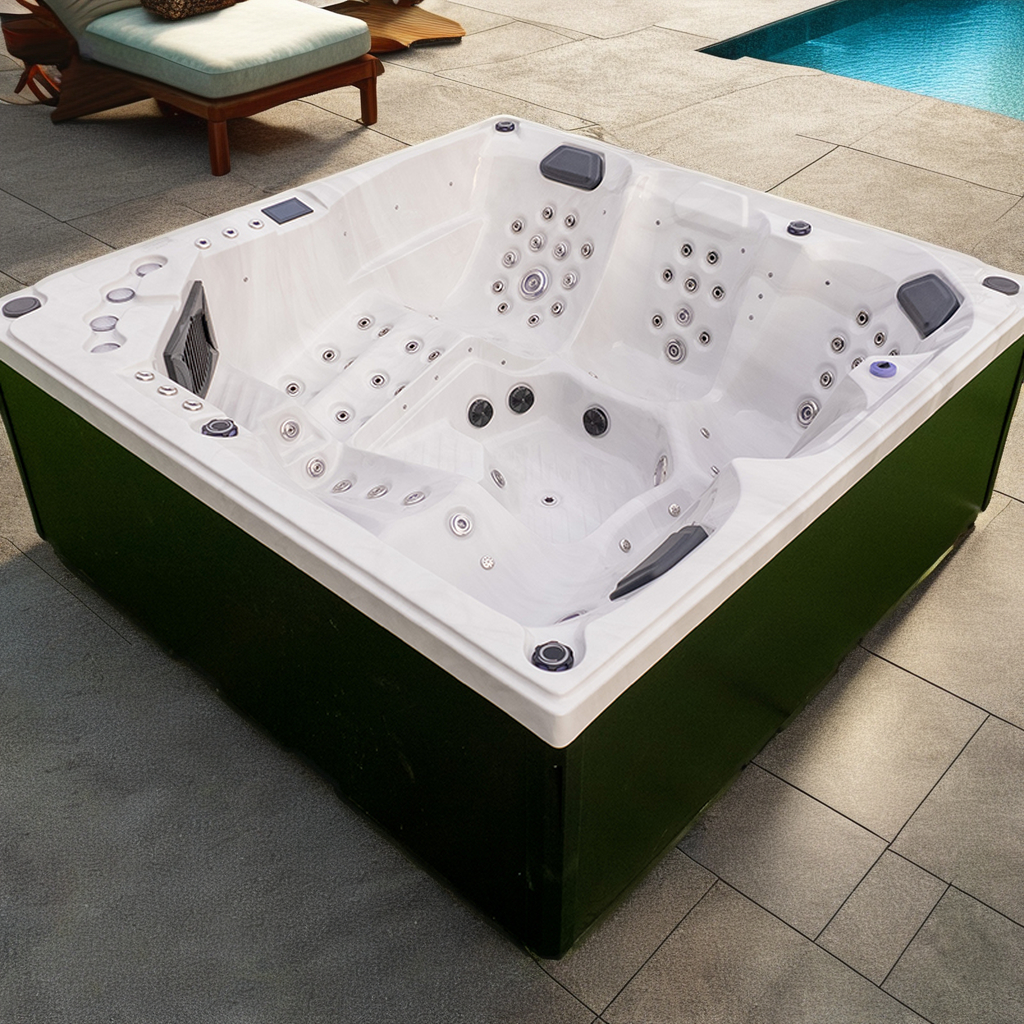
Vermeiden Sie längeres Baden am Stück. Teilen Sie das Bad in zwei kürzere Einheiten auf, um sowohl Entspannung als auch Sicherheit zu gewährleisten. Überprüfen Sie regelmäßig die Wassertemperatur und den Gerätezustand, um Unfälle zu vermeiden. Vermeiden Sie außerdem nächtliches Baden in der Badewanne, insbesondere bei hohen Temperaturen, da längeres Baden kurz vor dem Schlafengehen den Schlafrhythmus stören kann.
Einen Whirlpool über Nacht laufen zu lassen, ist unsicher und kann sich negativ auf die Gesundheit auswirken. Zudem erhöht es den Energieverbrauch und den Verschleiß der Geräte.
Richtige Verwendung:
• Jedes Mal 20–40 Minuten lang anwenden
• 1-2 Mal täglich anwenden
• Halten Sie die Wassertemperatur zwischen 37 und 40 °C
• Nach Gebrauch sofort ablassen oder umwälzen
Bieten Sie Sonderangebote oder saisonale Rabatte für Spa-Produkte an?
Als professioneller Hersteller und Exporteur bietet Lovia Spa saisonale Aktionen und Großhandelsrabatte an, um unseren Partnern das Wachstum ihres Geschäfts zu ermöglichen. Käufer können während Verkaufskampagnen aktuelle Angebote mit besonders günstigen Preisen anfordern.
Unser Unternehmen unterstützt Distributoren und Wiederverkäufer mit flexiblen Einkaufsoptionen und gewährleistet so sowohl Rentabilität als auch eine langfristige Zusammenarbeit.
3. Potential Drowning Risk
Leaving a spa jacuzzi running overnight means it could be left unattended. If a user falls in while sleeping, or a child accidentally enters, the risk of drowning is extremely high. Even if the water level is low, the risk of slipping and suffocation still exists.
In summary, from a safety perspective, leaving a spa jacuzzi running overnight is absolutely unacceptable.
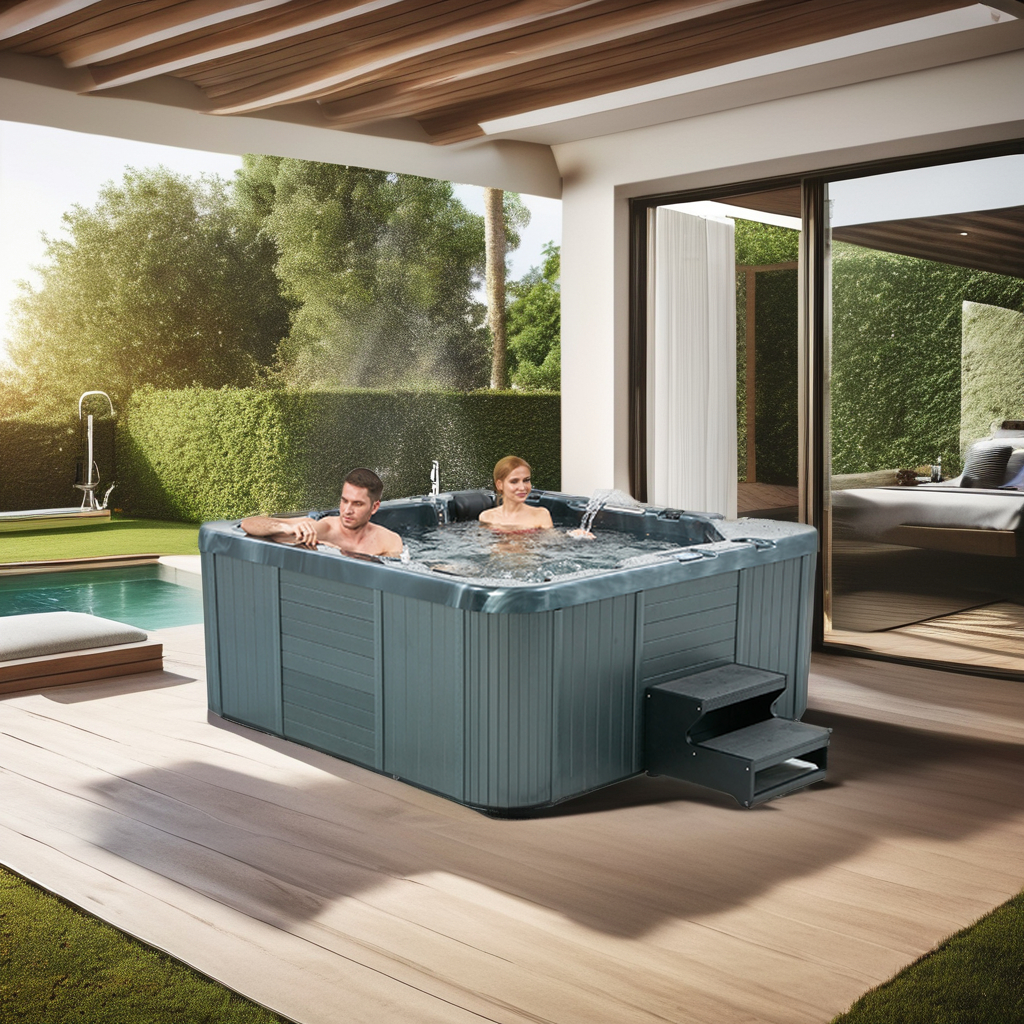
What are the health effects of prolonged use of a spa jacuzzi?
Health effects are often overlooked. While spa jacuzzi bathtubs offer health benefits, they can also have negative effects if used improperly.
1. Skin Problems
Disinfectants (such as chlorine or bromine) are often added to the water in spa jacuzzi bathtubs to maintain water quality. Prolonged immersion can cause:
• Dry skin and irritation: Disinfectants can destroy the skin's natural oils, causing dryness and even itching.
• Allergies or rashes: Prolonged exposure to chemicals on sensitive skin may cause allergies or rashes.
2. Circulatory Burden
While short soaks can improve circulation, overnight soaks can cause:
• Excessive vasodilation: Blood pressure drops, leading to symptoms like dizziness and palpitations.
• Increased cardiac workload: In hot environments, the heart must work extra hard to maintain body temperature and blood circulation. Long-term use can compromise cardiovascular health.
3. Dehydration and Electrolyte Loss
Soaking in hot water can accelerate the evaporation of body fluids. If used overnight:
• Accelerated loss of water and electrolytes can cause mild dehydration, dizziness, and muscle cramps.
• This is particularly dangerous for the elderly or those with weakened constitutions.
4. Reduced Sleep Quality
Many people believe that hot baths help with sleep, but overnight soaks can have the opposite effect:
• Hyperthermia: A high body temperature can disrupt natural sleep rhythms and affect deep sleep.
• Excessive fatigue: Prolonged soaks in hot water can cause fatigue and blood pressure fluctuations, impairing sleep quality.
Does leaving a spa jacuzzi running overnight increase energy consumption?
The core components of a spa jacuzzi bathtub include a heater, a water pump, and an air bubble system. Running them for extended periods of time consumes significant energy.
1. Significantly Increased Electricity Bills
Assuming a typical home spa jacuzzi bathtub consumes approximately 2-3 kilowatts, leaving it running overnight for eight hours can consume 16-24 kilowatt-hours (kWh), significantly increasing electricity bills. This long-term use is not only wasteful but also harmful to the environment.
2. Environmental Impact
Continuously consuming large amounts of electricity means increased carbon emissions, negatively impacting the environment. Using a spa jacuzzi bathtub wisely and appropriately can help reduce a home's energy load and environmental impact.
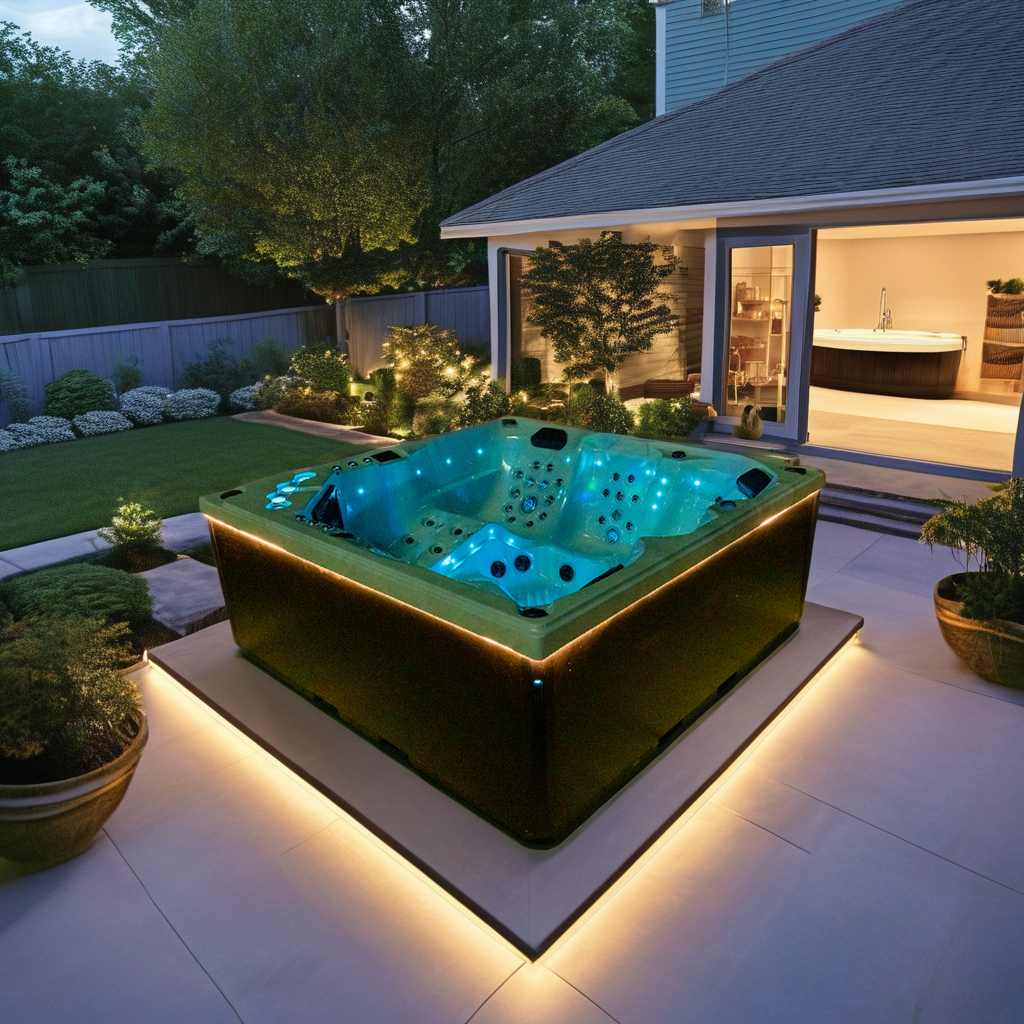
Will prolonged overnight use damage a spa jacuzzi bathtub?
Running it overnight is not only harmful to you but also damages the device itself.
1. Heater and Pump Wear
Continuous operation accelerates wear of the heater's heating element and pump motor:
• Shortened equipment life: Frequent maintenance or premature part replacement increases operating costs.
• Performance degradation: Water flow and massage effects may decrease over time, impacting the user experience.
2. Pipe and nozzle blockage
Extended operation means minerals and impurities in the water are more likely to accumulate, leading to nozzle blockage, affecting massage function, and increasing maintenance difficulties.
3. Increased difficulty in water quality management
Running a spa jacuzzi bathtub overnight exposes the water to air for extended periods, allowing bacteria and algae to grow. This places a high strain on water quality maintenance, requiring frequent water changes or disinfectants, increasing operating costs and health risks.
How often should a spa jacuzzi bathtub be opened?
Taking into account safety, health, economy, and equipment maintenance, proper use of a spa jacuzzi bathtub is crucial.
1. Duration of Each Use
It is recommended that each soak last between 20 and 40 minutes. This allows for a relaxing effect in a short period of time, avoiding the strain of prolonged hot water exposure.
2. Daily Use Frequency
Using once or twice daily is sufficient for relaxation and wellness. Using more frequently may increase strain on the body and wear out the device.
3. Water Temperature Control
The recommended water temperature is 37-40°C. Prolonged soaking above 40°C may be harmful to health. Use a thermostat to ensure a stable water temperature.
4. Drain or Circulate the Water Promptly After Use
Draining the water promptly after use or activating the circulation and filtration function will keep the water clean, extend the life of the device, and reduce bacterial growth.
How to Use a Spa Jacuzzi Bathtub Safely?
Using spa jacuzzi bathtubs safely can reduce risks and maximize their effectiveness.
1. Follow the Manufacturer's Instructions
Spa jacuzzi bathtubs vary in design from brand to brand. Strictly following the instructions is essential for ensuring safety.
2. Installing Safety Devices
These include a leakage protector, thermostat, and dry-boil prevention device, which can reduce the risk of accidents.
3. Regular Cleaning and Maintenance
Clean the pipes, nozzles, and filters regularly to maintain healthy water quality. Also, check the heater and pump to prevent malfunctions.
4. Avoid unattended use by children and the elderly
These individuals are more sensitive to temperature and slipping, so supervision is required to ensure safe use.
What are the proper ways to use a spa jacuzzi bathtub?
Avoid using it for extended periods at once. Split into two shorter soaks for both relaxation and safety. Regularly check the water temperature and equipment status to prevent accidents. Additionally, avoid soaking in the bathtub overnight, especially at high temperatures, as prolonged soaking right before bed can disrupt sleep rhythms.
Leaving a spa jacuzzi running overnight is unsafe and can negatively impact health, while increasing energy consumption and wear and tear on the equipment.
Proper Usage:
• Use for 20-40 minutes each time
• Use 1-2 times daily
• Maintain water temperature between 37-40°C
• Drain or recirculate immediately after use
Do you offer promotions or seasonal discounts for spa products?
As a professional manufacturer and exporter, Lovia Spa provides seasonal promotions and wholesale discounts to help our partners grow their business. Buyers can request updated quotes with special low prices during sales campaigns.
Our company supports distributors and resellers with flexible purchasing options, ensuring both profitability and long-term cooperation.
2. Tägliche Nutzungshäufigkeit